
Understanding Hazelnut Grades: From Premium to Industrial
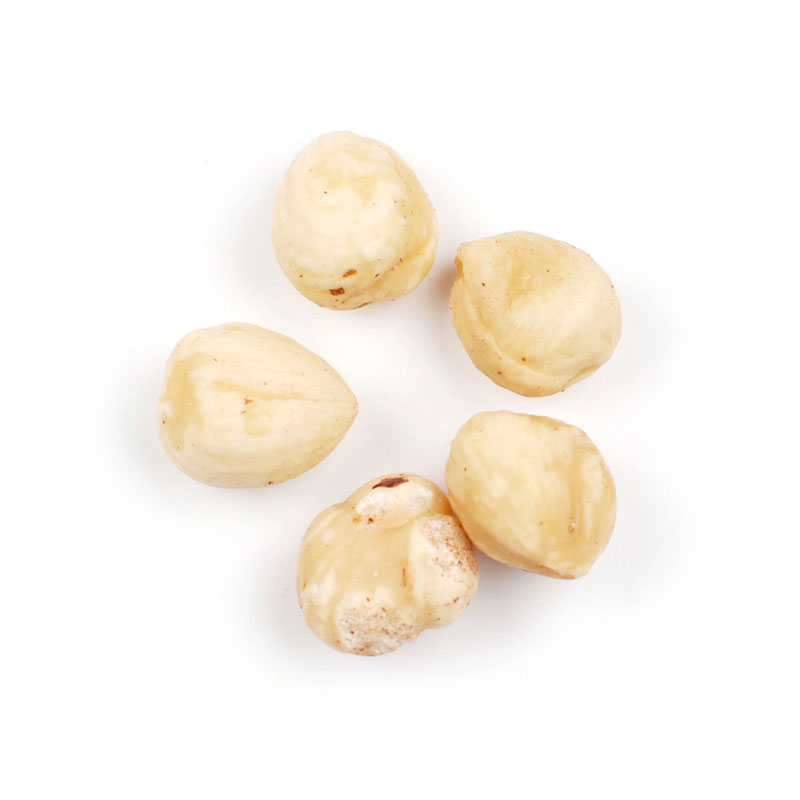
Choosing the right hazelnut grade is a critical decision for food manufacturers. In this article, we take a detailed look at every existing class, its technical specifications, and its areas of application.
Hazelnut Classification System
International hazelnut classification is based on several key parameters:
- Size (caliber) — kernel diameter in millimeters
- Appearance — integrity, color, absence of defects
- Moisture — moisture content in percent
- Fat content — oil percentage in the kernel
- Variety — graded or ungraded nuts
Classes by Size (Caliber)
| Designation | Diameter | Application | Price Segment |
|---|---|---|---|
| Extra (Extra) | 15-17 mm | Premium chocolate, decoration | High |
| First (Grade I) | 13-15 mm | Chocolate products, pastes | Medium+ |
| Second (Grade II) | 11-13 mm | Confectionery products | Medium |
| Industrial (Industrial) | 9-11 mm | Oil production, processing | Low |
Detailed Class Descriptions
Specifications: 100% whole kernels, uniform light brown color, 15-17 mm diameter, moisture content no more than 5%.
Application: Premium chocolate, hand decoration of confectionery, gift sets.
Requirements: Allowable percentage of broken kernels — no more than 2%.
Specifications: 95-98% whole kernels, minor color variation permitted, 13-15 mm diameter.
Application: Production of chocolate spreads (Nutella-type), chocolate bars, candy.
Requirements: Fat content — at least 60%; percentage of defective kernels — no more than 5%.
Specifications: 85-95% whole kernels, minor skin defects possible, 11-13 mm diameter.
Application: Baking, confectionery fillings, snacks, muesli.
Requirements: Moisture — no more than 6%; aflatoxin content — within EU standards.
Specifications: A mix of whole and broken kernels, any caliber, 9-11 mm diameter.
Application: Production of hazelnut oil, extracts, industrial processing.
Requirements: Minimal appearance requirements; technical parameters matter most.
💡 Selection Recommendations
For chocolate paste production, we recommend using hazelnuts of 13-15 mm caliber (Grade I). This ensures the optimal balance of flavor, texture, and finished product cost.
Technical Quality Parameters
| Parameter | EU Standard | Our Standard |
|---|---|---|
| Moisture | ≤ 6% | ≤ 5.5% |
| Fat content | ≥ 55% | ≥ 60% |
| Aflatoxin B1 | ≤ 2 ppb | ≤ 1 ppb |
| Total Aflatoxins | ≤ 4 ppb | ≤ 2 ppb |
| Acid Value | ≤ 1.0 mg KOH/g | ≤ 0.8 mg KOH/g |
| Peroxide Value | ≤ 0.5 meq O2/kg | ≤ 0.3 meq O2/kg |
How to Choose the Right Class for Your Production
When choosing a hazelnut class, consider the following factors:
- Product Type — premium products require the top grade, while processing calls for the industrial grade
- Budget — the price difference between classes can reach 30-40%
- Appearance requirements — decorative products require impeccable quality
- Production Process — some processing methods do not require whole kernels
Need advice on choosing a grade?
Our specialists will help you select the optimal hazelnut class for your production
Get a Consultation