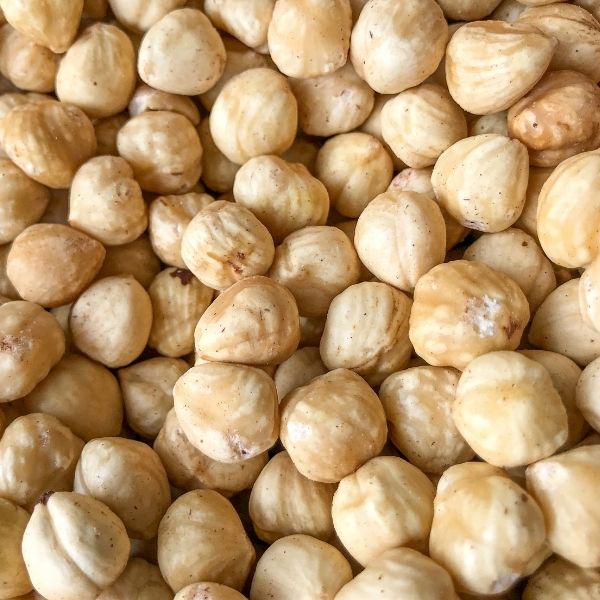
The global hazelnut market is undergoing a period of active transformation. Growing demand from Asian markets, a shift in consumer preferences toward healthy eating, and climate challenges are creating new opportunities and risks for market participants.
Overview of the Current Market Situation
The global hazelnut market has shown steady growth over the past decade. The main drivers of this growth are increasing nut consumption as a healthy snack, rising demand from the confectionery industry, and the development of the functional food market.
Key Trends for 2025
Analysts identify several key trends that will shape the development of the global hazelnut market in the coming years. Understanding these trends is critical for producers, exporters, and processors.
Rising Demand from Asian Markets
China, India, and Southeast Asian countries are showing steady growth in hazelnut consumption. These markets present new opportunities for exporters capable of ensuring stable supply and consistent quality.
The Organic Product Trend
Consumers are paying increasing attention to environmentally friendly production. The organic hazelnut market is growing faster than the conventional one, creating a premium segment for environmentally responsible producers.
Growing Processing Capacity in Producing Countries
Hazelnuts have traditionally been exported raw, but an increasing number of producing countries are developing their own processing capacity to capture a larger share of the value added.
Climate Challenges
Climate change is creating uncertainty for traditional growing regions. This is driving the search for new resilient varieties and the adaptation of agricultural practices.
Regional Market Structure
Global hazelnut production is geographically concentrated in a few key regions. Understanding regional characteristics helps assess the competitive positions and prospects of various exporting countries.
Main Producing Regions:
- Turkey: the world's largest producer, accounting for about 70% of global exports. The main growing regions are along the Black Sea coast.
- Italy: a traditional European producer known for its product quality. The Piedmont region is famous for the 'Tonda di Giffoni' variety.
- Azerbaijan: a dynamically developing producer with growing export volumes. Its unique climate allows for the production of premium-quality product.
- United States (Oregon): the largest producer in the Western Hemisphere, specializing in the Barcelona variety.
- Spain: the Catalonia region is the main production center, known for its organic plantations.
Factors Affecting Prices
Pricing in the hazelnut market depends on many factors that must be taken into account when planning a business. Price volatility can significantly affect the profitability of production and trade.
- Yield: weather conditions in key production regions directly affect supply volumes and prices.
- Exchange Rates: since hazelnuts are traded in US dollars, changes in the exchange rates of producing countries affect competitiveness.
- Demand from Processors: the world's largest chocolate and confectionery manufacturers are the primary buyers of hazelnuts.
- Competition from Other Nuts: prices for almonds, walnuts, and other nuts can influence consumer demand.
- Logistics Costs: transportation and storage costs affect the final price of the product.
Prospects for Azerbaijani Exporters
Azerbaijan has significant potential to increase hazelnut production and export volumes. Unique climatic conditions, a skilled workforce, and developing infrastructure create favorable conditions for the industry's growth.
The main advantages of Azerbaijani hazelnuts are the high quality of the kernel, natural taste and aroma, and competitive prices compared to European producers. To maximize this potential, investment in brand development and entry into new markets is essential.
Market Development Forecast Through 2030
Experts forecast that the positive momentum of the global hazelnut market will continue. Market volume is expected to exceed $18 billion by 2030, with an average annual growth rate of around 5-6%.
Key growth drivers will remain rising consumption in developing countries, the trend toward healthy eating, and the development of new hazelnut-based products. At the same time, competition among producers will intensify, raising the bar for quality and service.