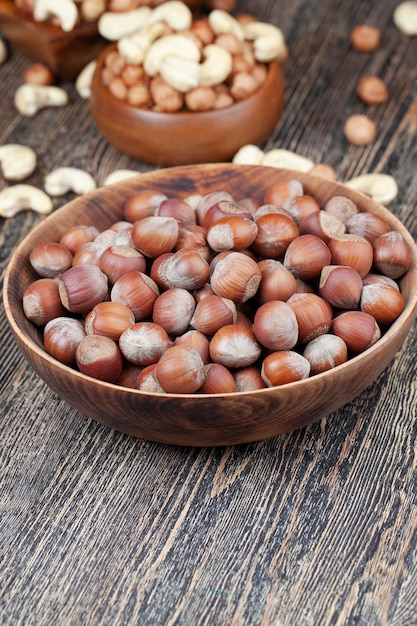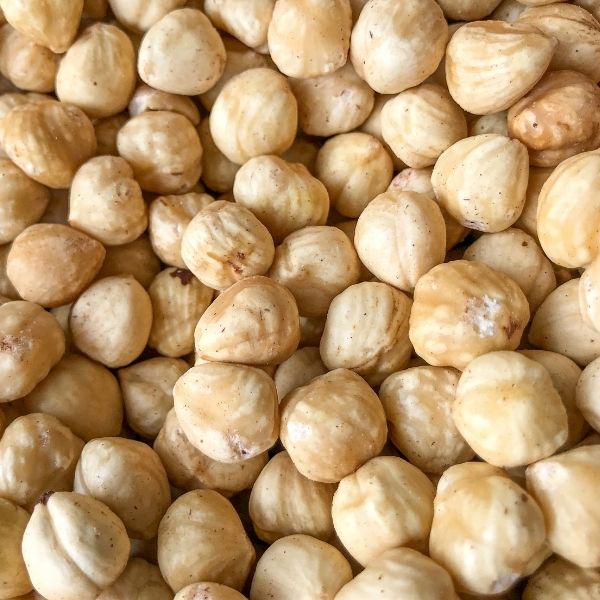
Hazelnuts are not just a delicious nut, but a true treasure trove of beneficial nutrients. Numerous scientific studies confirm that regular hazelnut consumption has a positive effect on the cardiovascular system, brain activity, and overall health.
Nutritional Value of Hazelnuts
Hazelnuts are among the most nutritious nuts in the world. They contain a unique balance of macro- and micronutrients that makes them an indispensable food for a healthy diet. Understanding their composition helps to appreciate the true value of this product for the human body.
Benefits for the Cardiovascular System
One of the main benefits of hazelnuts is their positive effect on the heart and blood vessels. This effect is due to the unique composition of fatty acids and antioxidants that work synergistically to protect the cardiovascular system.
Lowering Cholesterol Levels
The monounsaturated fats in hazelnuts help lower "bad" cholesterol (LDL) levels without affecting "good" cholesterol (HDL) levels.
Strengthening Blood Vessels
Vitamin E and antioxidants protect vessel walls from oxidative stress and inflammation, preventing the development of atherosclerosis.
Normalizing Blood Pressure
Magnesium and potassium found in hazelnuts help relax blood vessels and maintain healthy blood pressure levels.
Benefits for the Brain and Nervous System
Hazelnuts are an excellent "brain food" thanks to their high content of B vitamins, antioxidants and healthy fats. These components support cognitive function and protect the nervous system from age-related changes.
Key Components for the Brain:
- Thiamine (B1): improves nerve impulse transmission and supports energy metabolism in the brain
- Folic Acid: essential for the synthesis of neurotransmitters and DNA
- Antioxidants: protect brain cells from oxidative stress and premature aging
- Omega-3 Fats: support nerve cell structure and improve memory
- Magnesium: reduces stress levels and improves sleep quality
Antioxidant Properties
Hazelnuts rank among the leading nuts in antioxidant content. Particularly valuable are tocopherol (vitamin E) and proanthocyanidins — powerful compounds that protect cells from damage caused by free radicals.
Studies show that hazelnut antioxidants have the ability to neutralize oxidative stress, which is one of the main causes of aging and chronic disease development. Regular hazelnut consumption helps slow down oxidation processes in the body.
Digestive Benefits
The dietary fiber in hazelnuts plays an important role in maintaining digestive health. It helps normalize gut flora, improves motility, and helps remove toxins from the body.
In addition, hazelnuts contain prebiotic compounds that feed beneficial gut bacteria. A healthy gut flora, in turn, strengthens immunity and improves the absorption of nutrients from food.
Minerals in Hazelnuts
Hazelnuts are an excellent source of important minerals needed for many processes in the body. Let's look at the key minerals and their role in maintaining health.
- Manganese: involved in the metabolism of carbohydrates, proteins and fats; necessary for connective tissue synthesis
- Copper: important for iron absorption, red blood cell formation and bone health
- Magnesium: involved in more than 300 enzymatic reactions; reduces the risk of cramps and muscle spasms
- Phosphorus: essential for bone and teeth health; involved in energy metabolism
- Potassium: maintains water-electrolyte balance and normal muscle function
Recommendations for Consumption
To get the maximum benefit from hazelnuts, it's important to follow a few simple consumption rules. Nutritionists recommend eating 30-40 grams of nuts per day — roughly a handful, or 20-25 kernels.
It's best to eat hazelnuts raw or lightly roasted, without added salt or sugar. High-temperature heat treatment can destroy some of the beneficial substances, so prolonged roasting should be avoided.
Contraindications
Despite its many beneficial properties, hazelnuts also have contraindications. This primarily concerns people with nut allergies, which is one of the most common food allergies.
You should also consider the high calorie content of the product and consume it in moderation when following a weight-loss diet. People with pancreatic conditions should consult a doctor before adding hazelnuts to their diet.