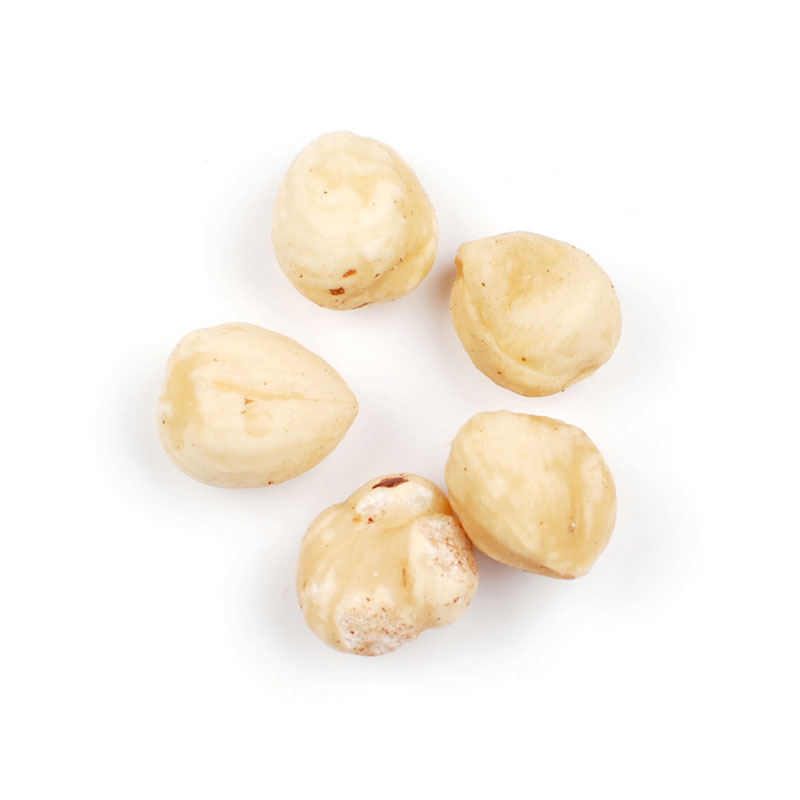
Every kilogram of hazelnuts leaving our production facilities passes through a multi-stage quality control system. From selecting seedlings to final packaging, we guarantee that our products meet the highest international standards.

Stages of Quality Control
Our quality control system covers the entire production cycle — from soil preparation on the plantations to shipping finished products to customers. Each stage has its own standards and inspection methods, allowing us to guarantee consistently high quality regardless of batch or season.
Plantation Control
Monitoring the condition of trees, soil, and irrigation water. Regular sampling for laboratory testing of heavy metal and pesticide content.
Harvesting
Determining the optimal harvest time. Manual picking using modern tools. Immediate transport for processing.
Primary Processing
Drying to the optimal moisture level (5-6%). Cleaning of impurities and mechanical damage. Sorting by size and quality.
Laboratory Testing
A full chemical analysis of every batch: fat content, moisture, protein content, aflatoxins, and microbiological indicators.
Processing and Packaging
Control at every processing stage. Use of modern equipment. Packaging in accordance with customer requirements.
Final Inspection
A repeat check before shipment. Verification of labeling and packaging. Issuance of quality and origin certificates.
International Certifications
Our production processes and quality management system are certified to leading international standards. This confirms that our products meet the requirements of the most demanding markets — the European Union, North America, and Southeast Asia.
Key Quality Indicators:
- Kernel size: 11–14 mm for shelled hazelnuts
- Moisture: no more than 5% for long-term storage
- Fat content: 55–60% for a rich flavor
- Defects: less than 1% damaged kernels
- Aflatoxins: below detection limits
- Microbiology: compliant with EU standards
Our Own Laboratory
We have invested in building a modern laboratory equipped with the latest analytical instruments. This allows us to conduct a full range of tests directly at the production site, without waiting for results from third-party organizations. Speed of decision-making and confidence in the results are key advantages of having our own laboratory.
The laboratory is accredited to the ISO 17025 standard and regularly participates in interlaboratory comparison testing to confirm the accuracy of its results.
Traceability
Every batch of product has a complete history — from a specific tree on a specific plantation to the end customer. Our traceability system allows us to trace the origin of any unit of product within 24 hours, which is especially important for resolving safety and quality issues.
Continuous Improvement
We do not rest on our achievements. Regularly analyzing customer feedback, studying global best practices, and investing in new technologies are all part of our strategy to maintain a leading position in quality. Every year we update our standards and procedures to reflect new market requirements and scientific advances.